
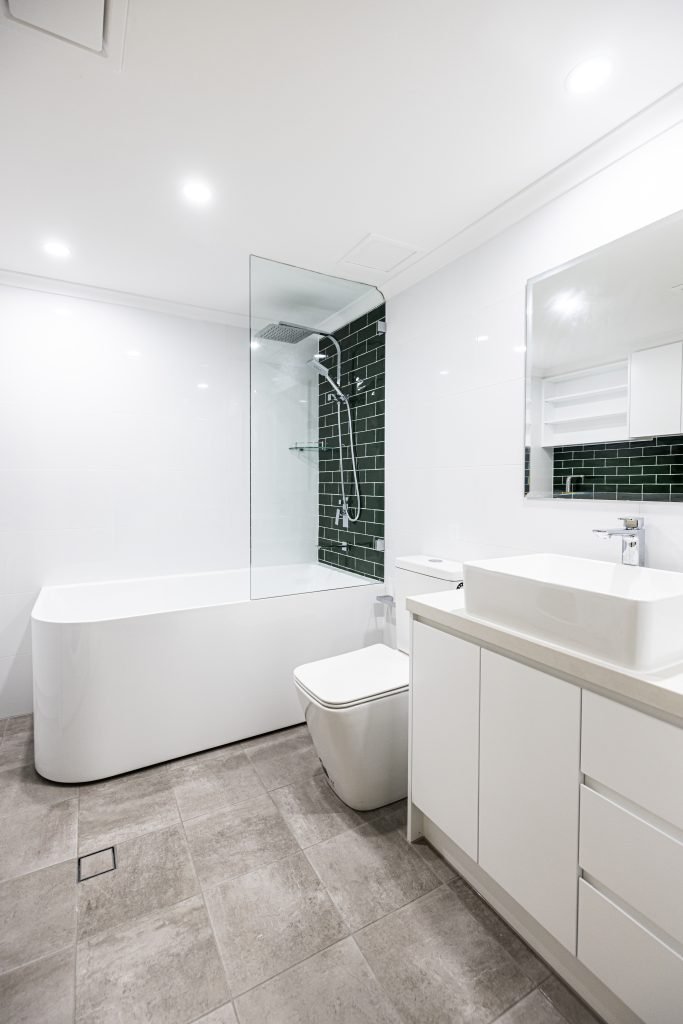
Renovating spaces for individuals with disabilities requires a thoughtful approach to ensure they are both functional and safe. When these projects are carried out under the National Disability Insurance Scheme (NDIS), they must adhere to specific standards and guidelines to qualify for funding. Accessible bathroom renovations and modifications, in particular, are vital for enhancing independence and improving quality of life. These renovations involve more than just updating aesthetics—they must address safety, accessibility and usability while meeting the unique needs of the individual.
Achieving compliance with NDIS requirements can be complex, but with the right planning and expertise, it becomes manageable. Every detail, from the choice of materials to the layout of fixtures, must be carefully considered. By focusing on functionality and collaborating with NDIS-approved suppliers, you can ensure your renovation project meets the necessary standards, providing a practical and supportive space for individuals with disabilities.
Understanding NDIS-Approved Renovations
NDIS-approved renovations aim to create safe and accessible environments for individuals with disabilities. These modifications are supported under the NDIS if they meet specific criteria. Bathroom renovations for disabilities are among the most common projects, focusing on improving mobility, safety and overall usability.
Why NDIS Approval Matters for Renovations
NDIS approval ensures your renovation project aligns with government standards, making it eligible for funding and support. It guarantees that modifications are safe, accessible, and tailored to individual needs, providing peace of mind and maximising the benefits for participants under the National Disability Insurance Scheme.
Key Requirements for NDIS-Approved Bathroom Renovations
To qualify as an NDIS-approved project, renovations must address the specific functional needs of the individual. Here are some essential considerations:
- Safety Standards: Renovations should reduce the risk of falls or injuries, incorporating features like grab rails, non-slip flooring and walk-in showers.
- Accessibility: The design must prioritise accessibility, ensuring that individuals with mobility aids like wheelchairs or walkers can use the space independently.
- NDIS Compliance: The project must align with NDIS guidelines and involve NDIS-approved suppliers to guarantee quality and adherence to standards.
Common Features in Accessible Bathroom Renovations
Accessible bathroom modifications typically include various features tailored to individual needs. Some of the most common changes include:
- Walk-in Showers: Eliminates the need for stepping over a bathtub, reducing the risk of falls.
- Grab Rails: Strategically placed grab bars enhance stability near the toilet, shower and sink.
- Non-Slip Flooring: Ensures a safer surface for individuals, even when the floor is wet. It is achieved by using textured materials, anti-slip coatings, or specialised tiles designed to provide extra grip and reduce the risk of slips and falls.
- Adjustable Fixtures: Sinks, mirrors and showerheads can be adjusted for wheelchair users.
- Wider Doorways: Accommodates mobility aids like wheelchairs or walkers.
Benefits of Using NDIS-Approved Suppliers
Working with NDIS-approved suppliers ensures your project meets all necessary guidelines and standards. These suppliers are experienced in designing and installing NDIS bathroom designs that cater to diverse needs. Benefits include:
- Expertise: They understand NDIS compliance requirements, saving time and reducing the risk of errors.
- Quality Assurance: Materials and designs meet high standards for durability and safety.
- Streamlined Approval: Projects completed by approved suppliers are more likely to gain NDIS approval.
Steps to Plan Your NDIS Bathroom Renovation
Planning is crucial for the success of your accessible bathroom renovations. Follow these steps to ensure a smooth process:
1. Assess Individual Needs
Begin by evaluating the needs of the individual. Consider mobility challenges, preferences and daily routines to create a functional design.
2. Consult with Experts
Work with professionals specialising in bathroom renovations for disabilities. Their expertise will help translate needs into practical solutions.
3. Choose an NDIS-Approved Supplier
Select a contractor or supplier familiar with NDIS guidelines to handle the renovation. They can assist with documentation and ensure compliance.
4. Develop a Detailed Plan
Create a clear renovation plan, including layout changes, materials and timelines. Ensure the design prioritises safety and accessibility.
5. Apply for NDIS Approval
Submit the required documentation for approval. Collaborate with your supplier to provide necessary details about the project.
6. Begin Renovations
Once approved, proceed with the renovation. Regular communication with the contractor ensures the project stays on track.
Budgeting for NDIS Bathroom Design
Renovations can be expensive, but NDIS funding often covers necessary modifications. To maximise your budget:
- Prioritise Needs: Focus on essential changes that directly impact safety and accessibility.
- Compare Quotes: Obtain multiple quotes from NDIS-approved suppliers to find the best value.
- Monitor Costs: Keep track of expenses to ensure they align with the approved budget.
Maintaining Your Accessible Bathroom
After completing the renovations, regular maintenance is essential to keep the space safe and functional. Consider the following tips:
- Inspect Features Regularly: Check grab rails, flooring and fixtures for wear and tear.
- Clean Non-Slip Surfaces: Use appropriate cleaning products to maintain non-slip flooring.
- Schedule Professional Maintenance: Work with professionals for repairs or adjustments to fixtures and accessibility features.
The Role of Design in Accessible Bathroom Modifications
Good design is at the heart of successful accessible bathroom modifications. A thoughtful layout not only ensures safety but also enhances usability and comfort. Key design principles include:
- Space Optimisation: Ensure adequate maneuvering space for wheelchairs or walkers.
- User-Centric Features: Place fixtures like towel racks and shelves within easy reach.
- Aesthetic Appeal: Combine functionality with design elements that create a welcoming space.
Frequently Asked Questions About NDIS Bathroom Renovations
1. What modifications are covered by NDIS?
The NDIS covers essential modifications like grab rails, non-slip flooring and wheelchair-accessible showers if they address specific functional needs.
2. How do I find NDIS-approved suppliers?
You can search online or consult with your NDIS planner for recommendations on reliable suppliers in your area.
3. Can I make aesthetic upgrades during the renovation?
While functional changes take priority, aesthetic upgrades can be included if they align with the budget and NDIS guidelines.
4. How long do accessible bathroom renovations take?
The timeline depends on the complexity of the project but typically ranges from a few weeks to a couple of months.
5. Is funding guaranteed for all renovation requests?
Funding approval depends on whether the modifications meet NDIS criteria and directly benefit the participant.
Why Choose TCQE Maintenance & Renovations?
If you’re planning an NDIS-approved renovation, consider TCQE Maintenance & Renovations for reliable and professional service. Our team specialises in accessible bathroom renovations designed to meet NDIS standards while ensuring safety, functionality and comfort.
With proper planning, expert guidance and the right team, your NDIS bathroom design can create a space that enhances independence and quality of life for individuals with disabilities.