
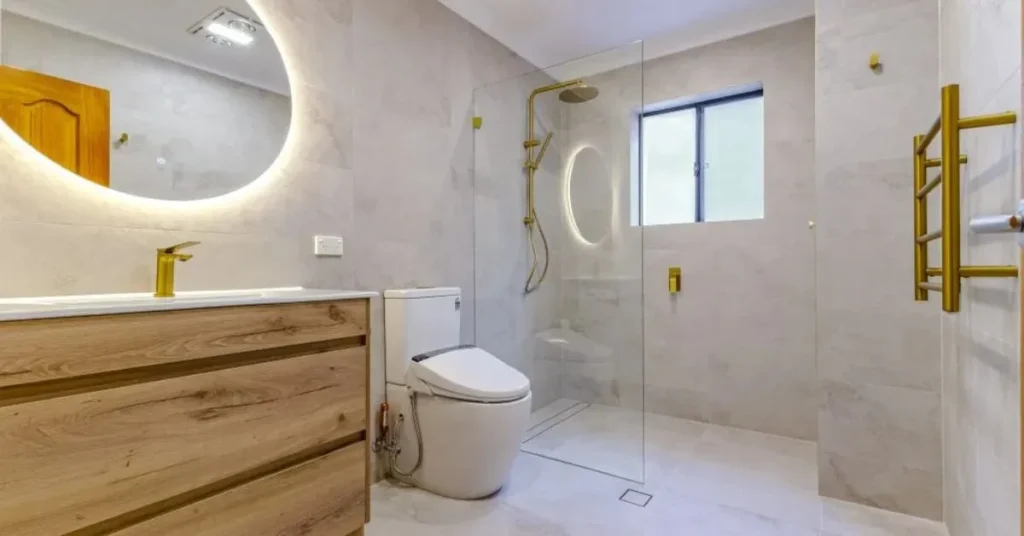
A bathroom renovation can feel like a turning point in a home. When the tiles are cracked, storage feels tight, or fittings look tired, renovation becomes more than a design choice, it becomes a quality-of-life decision.
And that’s when the big question appears. Do you take the DIY path and manage the renovation yourself? Or do you hire a professional builder to handle everything end to end?
Both options promise savings, control, and satisfaction in different ways. But they come with very different risks, timelines, and results. The right choice depends on what you value most: speed, certainty, cost control, or craftsmanship. Let’s break it down clearly, so your next bathroom renovation feels less overwhelming and far more confident.
What DIY Really Means in a Bathroom Renovation
DIY bathroom renovation doesn’t just mean painting walls or changing tapware. It often expands quickly into demolition, waterproofing, tiling, plumbing coordination, electrical planning, and waste removal.
At first, it feels empowering. You choose everything. You manage every decision. And you feel direct control over spending. But the reality soon sets in.
Bathrooms are the most technical room in any home. Behind the walls sit plumbing lines, electrical wiring, drainage gradients, and waterproof membranes. One mistake doesn’t just affect appearance. It affects safety, insurance, and the long-term integrity of your home.
So while DIY works well for light cosmetic updates, a full DIY bathroom renovation carries much higher risk than most homeowners expect at the start.
Where DIY Works Well
There are parts of a bathroom renovation where DIY makes sense.
- Painting ceilings and walls.
- Replacing towel rails and basic fittings.
- Upgrading mirrors and accessories.
- Installing flat-pack storage cabinets outside wet zones.
These jobs carry minimal structural or compliance risk. They allow you to refresh the look without interfering with waterproofing, plumbing, or electrical systems. For homeowners with time, patience, and confidence, these small upgrades offer visible improvement without major cost.
But when water, power, or drainage is involved, DIY moves into dangerous territory.
The Hidden Risks of DIY Bathroom Renovations
Waterproofing is one of the most common failure points in DIY bathroom renovation. Even a pin-sized breach in a membrane can lead to moisture travelling behind walls, into floors, and between structural layers. The damage often appears months or years later.
Plumbing mistakes can result in slow leaks, pressure issues, or water pooling under tiles. Electrical work done without compliance can void insurance or create serious safety hazards.
Then there’s the timeline. DIY projects stretch on far longer than expected. What seems like a three-week job can easily become three months of half-finished living.
So while DIY might save money on paper, it can cost far more in repairs, stress, and lost time.
What Hiring a Builder Actually Changes
When you hire a professional builder for your bathroom renovation, responsibility shifts from you to the team managing the build.
The layout is planned with technical accuracy. Waterproofing is applied to regulated standards. Plumbing and electrical work is licensed and compliant. Trades are scheduled in the correct order. Materials are delivered on time. Waste is removed properly.
Instead of juggling trades, tools, suppliers, and council rules, you deal with one point of contact and one structured timeline.
The biggest change is predictability as the costs are quoted upfront and timeline is defined clearly. This is where the risk of fatal errors drops dramatically.
Time Is Often the Biggest Divider
DIY bathroom renovations consume far more time than most people calculate. Evenings, weekends, sourcing materials, correcting mistakes, and waiting for trades all stretch the project.
A professional bathroom renovation is structured to move efficiently. Demolition, waterproofing, plumbing, electrical, tiling, and final fit-off follow a sequence that avoids downtime. This means your bathroom is usable sooner and disruption stays contained.
For families, working professionals, and households with one bathroom, time alone often becomes the deciding factor.
The Quality Gap Between DIY and Professional Builds
A well-built bathroom doesn’t just look smooth on opening day. It still feels solid five, ten, and fifteen years later.
Professional builders use commercial-grade adhesives, correct tile spacing, accurate drainage falls, reinforced fixings, and tested waterproof systems. These are details that DIY work often misses through lack of access, training, or time.
The difference becomes visible over the years through tile movement, cracked grout, leaking corners, and sagging fixtures. Quality in a bathroom renovation is not measured on day one. It reveals itself slowly.
Cost Control: DIY vs Hiring a Builder
At first glance, DIY appears cheaper. You save on labour. But that comparison often ignores:
- Tool purchases
- Material wastage
- Mistake corrections
- Extended project delays
- Rework by professionals later
Professional renovation costs look higher on paper, but they bundle experience, labour, compliance, warranties, and accountability into one controlled budget.
The more complex the renovation becomes, the more cost-effective a professional build usually proves in the long run.
Compliance and Insurance Can’t Be Ignored
Bathrooms must meet strict building and waterproofing regulations. If work is not compliant, it can affect:
- Home insurance claims
- Future property sales
- Building inspections
- Rental approvals
Licensed builders document compliance through certification. DIY work rarely includes formal compliance sign-off. That gap only becomes visible when a property is sold, damaged, or renovated again.
A bathroom renovation that cannot be certified can become a future liability.
Design Outcomes Are Stronger with Professionals
Most DIY bathrooms rely on visual inspiration without full design coordination. This often leads to:
- Inconsistent tile alignment
- Poor lighting placement
- Crowded layouts
- Blocked storage access
Professional builders work from detailed plans that align layout, lighting, storage, and movement. This creates cohesion you can feel when the space is finished.
A bathroom that feels calm, open, and easy to move through almost always has professional planning behind it.
When DIY Might Still Be the Right Choice
DIY can still suit:
- Rental property cosmetic refreshes
- Budget-limited surface upgrades
- Short-term visual improvements
- Light refurbishments without layout changes
In these cases, the goal is visual improvement rather than long-term structural performance. As long as plumbing, electrical, and waterproofing remain untouched, DIY can serve as a temporary solution.
But for a true transformation with long-term value, professional construction makes the difference.
Why Many Homeowners Choose TCQE for Bathroom Renovation
At TCQE, our approach to bathroom renovation is simple. We focus on structure first, comfort second, and appearance third, in that order. Because when the structure is sound and the layout works effortlessly, beauty lasts longer.
We manage everything under one coordinated plan:
- Layout design
- Waterproofing systems
- Plumbing and electrical
- Cabinetry and fixtures
- Tiling and finishes
This removes the guesswork that often overwhelms homeowners during renovation.
Our goal is not just a better bathroom. It’s a smoother renovation experience.
So, DIY or Builder? What Truly Makes Bathroom Renovation Easy?
DIY can feel empowering at the start. Hiring a builder feels safer from the beginning. The reality is that a bathroom renovation becomes “easy” when uncertainty disappears.
That certainty comes from structured planning, licensed trades, controlled timelines, and accountable workmanship. For cosmetic upgrades, DIY can deliver short-term improvement. For lasting function, safety, and value, professional renovation remains the stronger choice.
The easiest bathroom renovation is the one that finishes on time, stays watertight, and feels right every single day after.
FAQs
1. How long does a bathroom renovation take?
A typical bathroom renovation takes 3 to 6 weeks, depending on demolition, waterproofing time, tiling, and fixture installation. Structural changes or custom joinery may extend the timeline slightly.
2. How much does it cost to renovate a bathroom?
Most bathroom renovations range between $18,000 and $35,000, depending on size, layout complexity, tiles, fixtures, and finishes. Smaller cosmetic refurbishments may fall below this range, while luxury bathrooms can exceed it. It’s best to get your free quote from a reputed bathroom renovator in Sydney.