
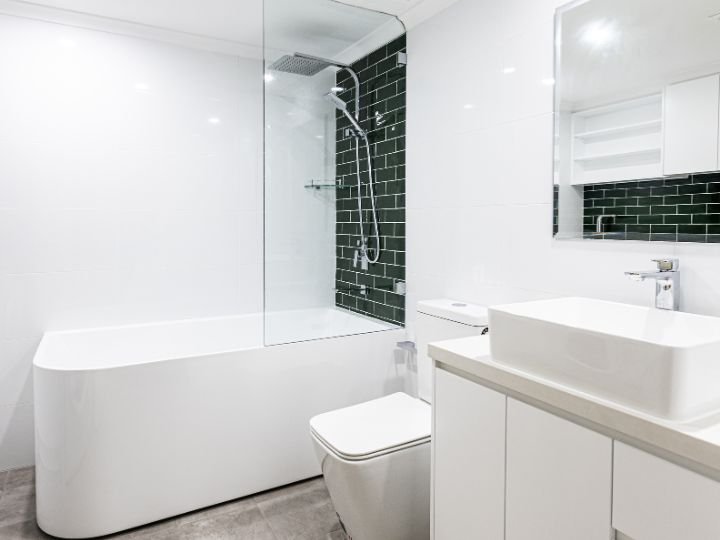
When planning a bathroom upgrade, one question always comes first: how long will it take? For most homeowners, timing matters just as much as design. A bathroom is used daily, and even a short disruption can feel inconvenient. The good news is that small bathroom renovations are generally quicker than full-scale remodels, provided the planning is done properly.
In most cases, a small bathroom renovation takes between 2 to 4 weeks once construction begins. But that timeline can shift depending on layout changes, material choices, and how smoothly each stage is managed. Understanding what happens during the process makes it easier to plan ahead and avoid delays.
Let’s break it down so you know exactly what to expect.
What Affects the Timeline of a Small Bathroom Renovation?
Not all bathroom renovations move at the same pace. Even in small spaces, a few design decisions can add or remove days from the schedule.
The biggest factors include:
- Whether the small bathroom layout is being changed
- The condition of existing plumbing and structure
- The type of finishes selected (tiles, fixtures, cabinetry)
- Availability of materials and trades
If the layout stays the same and materials are ready in advance, the renovation tends to move faster. But once walls, plumbing, or electrical points are shifted, the timeline naturally extends.
Typical Timeline Breakdown
1. Planning and Design (1–2 Weeks)
This stage happens before construction begins. It includes measurements, layout decisions and selecting finishes.
Good planning saves time later. Choosing items like mirrored cabinets, tiles and fittings early prevents delays once work starts. It’s also where decisions around space saving design and smart storage are made.
2. Demolition (1–2 Days)
The existing bathroom is stripped back to its base structure. Old tiles, fixtures and fittings are removed.
In small spaces, this step is usually quick. To prevent harming structural or piping components, however, caution is still necessary.
3. Plumbing and Electrical Work (2–4 Days)
This is where the core functionality of the bathroom is set.
If the layout stays unchanged, this stage moves quickly. But if you’re relocating fixtures or installing wall mounted or wall hung fittings, additional work may be needed.
4. Waterproofing (2–3 Days)
Waterproofing is one of the most critical steps. It protects the structure of your home from moisture damage.
It must be applied carefully and allowed to cure properly. Rushing this step often leads to problems later, so it’s never worth cutting corners here.
5. Tiling (3–5 Days)
Tiling takes time because it requires precision.
Using large tiles can sometimes speed up installation, as fewer pieces are needed. Floor and wall tiles must be aligned correctly and each floor tile needs proper spacing and adhesive setting time.
6. Storage Planning (2-3 Days)
Time spent planning storage pays off later.
Effective storage solutions for small bathrooms include:
- Mirrored cabinets for dual function
- Vertical shelving to reduce clutter
- Built-in niches within shower walls
- Hidden storage under vanities
Adding smart storage during renovation avoids the need for future adjustments.
7. Fixtures and Fittings Installation (2–3 Days)
Once surfaces are complete, fixtures are installed. This includes:
- Vanity (such as a floating vanity to free up floor space)
- Tapware and shower fittings
- Shower screens
- Storage units and cabinets
Choosing wall mounted or wall hung elements helps keep the room visually open while also improving cleaning access.
8. Final Touches and Inspection (1–2 Days)
The final stage includes sealing, painting, cleaning, and checking that everything works as expected.
This is also where small details like aligning doors, adjusting fittings and ensuring finishes are consistent are completed.
Design Choices Can Speed Up or Slow Down a Renovation
Design has a direct impact on timing.
A simple layout with standard fittings will move quickly. But custom joinery, unusual tile patterns or structural changes can add time.
For example:
- A floating vanity is often faster to install than a bulky floor unit
- Frameless shower screens may require more precise measurement
- Adding mirrored cabinets improves storage but needs careful placement
Choosing practical solutions early helps keep the timeline under control.
Small Bathroom Renovations in Sydney: What to Expect
For homeowners planning small bathroom renovations in Sydney, timelines are generally consistent with national averages. However, factors like building access, apartment restrictions, and material supply can affect schedules slightly.
So, how long do small bathroom renovations usually take? In most cases, around 2 to 4 weeks but only when the project is planned properly.
The timeline depends on layout decisions, material selection and how well each stage is managed. Keeping the design simple, choosing practical fixtures and planning ahead all help ensure the renovation stays on track.
At TCQE, we organise every stage of your small bathroom renovation so the process runs smoothly from start to finish. You’ll always know what’s happening and what comes next. Get in touch to plan a renovation that stays on track.
FAQs
1. How long do small bathroom renovations usually take?
Small bathroom renovations usually take between 2 to 4 weeks, depending on layout changes, material availability and the complexity of the design.
2. What can delay a small bathroom renovation?
Delays in a small bathroom renovation are often caused by late material delivery, changes to the layout, or unexpected plumbing and structural issues discovered during demolition.
3. How can I make a small bathroom renovation faster?
Making a small bathroom renovation faster involves keeping the layout the same, choosing readily available materials and finalising design decisions before construction begins.
4. Do small bathrooms take less time to renovate than large ones?
Small bathrooms do take less time to renovate than large ones because there is less space to work on, fewer materials required and quicker installation times.
5. What design choices help maximise space in small bathrooms?
Design choices that help maximise space in small bathrooms include using a floating vanity, wall mounted fittings, mirrored cabinets, and light colours that make the space feel open.