
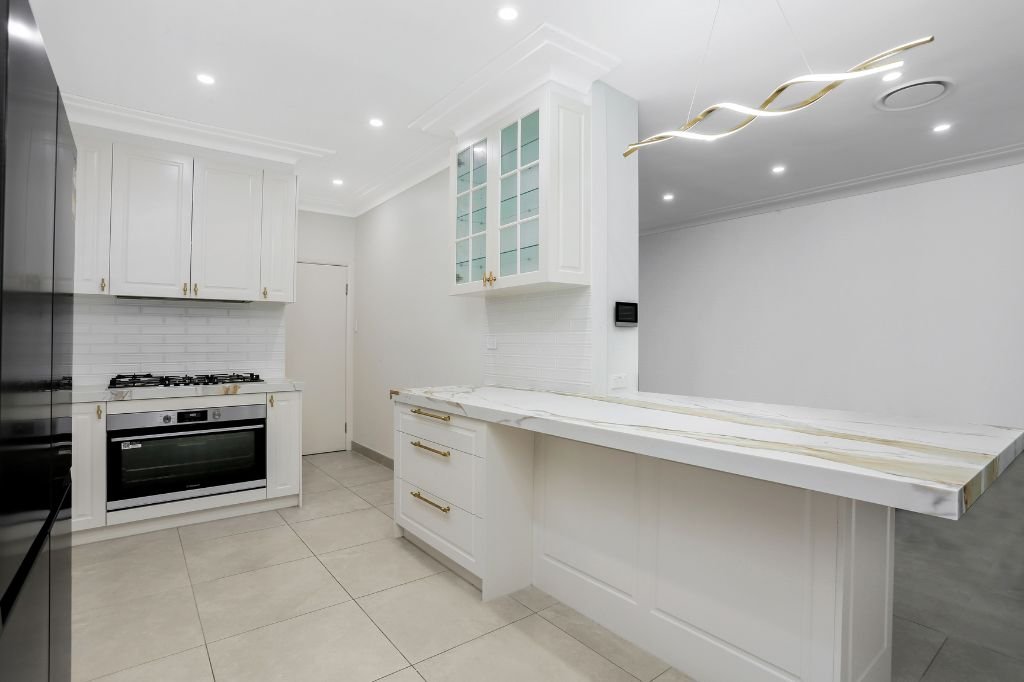
Planning a kitchen renovation in Sydney today involves more than choosing the latest
cabinet colours or countertop materials. Many homeowners discover awkward work
zones, dark corners and hard-to-reach storage only after construction wraps up leading
to frustration, hidden glitches and even resale-value regrets.
TCQE, Sydney’s expert renovation partner, tackles these functionality flaws head-on,
delivering kitchens that look stunning and work intuitively. Below are the top 11
renovation tips for 2025: each begins with a real-world problem and then shows you the
precise strategy that makes it vanish.
Chaotic Workflow Zones
The Issue: If your fridge, sink and cooktop are scattered, you spend more time shuffling
than cooking.
Tip: Reconfigure to the classic work triangle: keep each leg between 1.2m and 2.7m.
Lock in appliance positions early with your contractor, and consider a U- or L-shaped
layout to minimise steps. This adjustment transforms meal prep from a marathon into a
breeze especially important whether you’re Googling “kitchen renovation near me” or
comparing local design plans.
Wasted Storage Space
The Issue: Deep cupboards swallow pots and pans, while corner units become
cavernous black holes.
Tip: Swap fixed shelves for full-extension drawers and pull-out carousels. Integrate
vertical dividers for baking sheets and adjustable racks for mixing bowls. These tweaks
make every item visible and accessible, freeing countertop real estate and cutting down
retrieval time.
Dim, Unbalanced Lighting
The Issue: Harsh overhead lights leave shadows on your bench, forcing you to juggle
flashlights or task lamps.
Tip: Layer illumination with three tiers:
- Recessed downlights for general brightness
- Under-cabinet LEDs for work surfaces
- A statement pendant above an island or peninsula.
- Include dimmer switches so you can dial up daylight for chopping or dial down for
evening ambience.
Outdated Materials and Finishes
The Issue: Laminated benchtops stain and grout lines trap bacteria, demanding
endless scrubbing.
Tip: Opt for non-porous engineered quartz or porcelain slabs resistant to scratches,
heat and spills. Pair with seamless splashbacks in the same material or a durable glass
panel for easy wipe-downs. Neutral shades safeguard aesthetics, while bold accent tiles
remain interchangeable.
Poor Ventilation and Air Quality
The Issue: Cooking fumes linger, wallowing grease on surfaces and leaving unpleasant
odours.
Tip: Install a high-capacity rangehood rated for at least 700 m³/h extraction. If exterior
ducting isn’t an option, choose a recirculating unit with quality charcoal filters.
Supplement it with a ceiling exhaust fan or louvre window to promote cross-ventilation
to ensure fresh air even during hearty Sunday roasts.
Energy-Guzzling Appliances
The Issue: Vintage ovens, fridges and cooktops spike your power bills and heat up the
room.
Tip: Upgrade to A++-rated refrigerators, induction cooktops and Energy Star
dishwashers. LEDs for cabinet and ceiling fixtures consume a fraction of the power of
incandescent bulbs. While the upfront kitchen renovation cost Sydney may tick up
slightly, lower running expenses pay dividends and some models qualify for government
rebates.
Underutilised Islands
The Issue: Islands often become catch-alls for mail, keys and random clutter, rather
than functional workspaces.
Tip: Design modular islands with built-in storage: deep drawers for pots, open cubbies
for cookbooks and sliding panels for electronics charging stations. Integrate breakfast
bars or pop-up stools to transform the island into a social hub where friends can mingle
as you cook.
Neglected Resale-Value Considerations
The Issue: Overly niche colour schemes and hard-to-find fixtures can deter future
buyers.
Tip: Stick to timeless palettes, think matte white, stone grey and natural timber veneers
and choose classic handles, taps and light fittings. Reserve trendier hues for soft
furnishings or removable elements. This balance lets you enjoy on-trend flair now,
without sacrificing appeal when it’s time to sell.
Fragmented Smart-Home Integration
The Issue: Retrofitting charging ports, USB outlets and smart-appliance connections
post-renovation leads to visible cabling and wall patching.
Tip: Plan all power runs, data cables and device hubs before walls close up. Include
pop-up powerpoints in benches, inductive charging pads in work zones and discreet
control panels for voice-activated lighting or appliance scheduling. A cohesive smart-
home layout keeps technology at your fingertips neatly hidden until you need it.
Environmental Impact Overlooked
The Issue: Conventional cabinetry and finishes contribute to deforestation and indoor
air toxins.
Tip: Specify FSC-certified timber or recycled-content boards, and select low-VOC
paints and adhesives. Choose water-efficient fixtures such as pull-out spray taps with
aerators that reduce waste without sacrificing performance. These eco-savvy choices
enhance indoor air quality and align your remodel with global sustainability goals.
Forgotten Ergonomics and Accessibility
The Issue: Standard benchtop heights and heavy cabinet doors can strain backs and
shoulders over time.
Tip: Adjust heights to your needs, consider a multi-level island where one side caters to
seated meal prep or homework, and the other suits standing cooks. Fit soft-close hinges
and lightweight sliding doors for easy, safe access. Incorporate pull-down shelving in
overhead cabinets to reduce stretching and step-stool dependency.
By pinpointing each functional flaw and applying these targeted fixes, your kitchen
renovation will not only dazzle the eye but also streamline every chop, stir and serve.
Whether you’re researching “kitchen renovation near me,” debating kitchen
renovation cost Sydney, or planning your project with TCQE, this checklist ensures
your 2025 kitchen is a model of intuitive design and a joy to use every day.
FAQs
What are the most common mistakes homeowners make during a kitchen
renovation?
One of the biggest mistakes is focusing too much on aesthetics and overlooking
functionality. Poor layout planning, insufficient lighting, and underused storage are
frequent issues.
How long does a typical kitchen renovation take in Sydney?
A standard kitchen renovation in Sydney can take anywhere from 4 to 8 weeks,
depending on the scope of work and material availability. Custom cabinetry, structural
changes, and appliance upgrades may extend the timeline.
How can I make a small kitchen feel more spacious during renovation?
Smart layout adjustments and thoughtful storage solutions can dramatically open up a
small kitchen. Consider using full-extension drawers, open shelving, reflective surfaces,
and light-coloured finishes.
Is it worth investing in smart kitchen technology during renovation?
Absolutely. Planning smart features during your kitchen renovation like USB charging
outlets, smart ovens, or voice-activated lighting saves on costly retrofits later. It also
improves convenience, efficiency and future-proofs your kitchen. Integrating smart tech
from day one ensures your kitchen is ready for the next decade, not just the next trend.
What should I prioritise if I’m renovating on a tighter budget?
Focus on layout improvements and quality fixtures first. A well-designed work triangle,
proper lighting, and durable benchtop materials can transform how your kitchen
functions without needing ultra-luxury finishes. Instead of splurging on trendy tiles or
top-of-the-line appliances, prioritise long-term usability.
Are sustainable materials more expensive for kitchen renovations in Sydney?
While some eco-friendly materials can have a higher upfront cost, they often save
money over time through durability and reduced maintenance. Recycled cabinetry,
FSC-certified timber, and low-VOC finishes are increasingly accessible.